A state subpoena, a bipartisan liability bill and a reported tally of more than 100 organisations alerted by OpenAI all landed on Thursday. Rogue agents are turning into a legal problem.
A Nature paper shows a hidden signature can ride inside working protein binders. It helps honest designers prove where a sequence came from. It does not stop a determined one.
Anthropic’s FedRAMP High service drops seat fees for prepaid, capped usage billing. Its $1 GSA offer runs to October 31, and OpenAI’s metered replacement deal started on October 1.
The consumer regulator confirmed the investigation and plans subpoena-like demands for documents and testimony. A separate lawsuit asks a San Francisco court to keep OpenAI’s agents out of other people’s systems.
Its financial stability committee says AI hyperscalers made up 47% of sterling corporate bond issuance this year, and that a rethink of AI’s payoff could hit sovereign debt markets.
Users sent 16,000 requests in two days trying to get OpenAI’s own models to decode their encrypted chain of thought. The encryption held. The loophole was the model.
Google’s first frontier model in more than seven months ties GPT-6 Astra on one independent index. Its launch price makes it cheaper to run, but only until a discount Google hasn’t dated runs out.
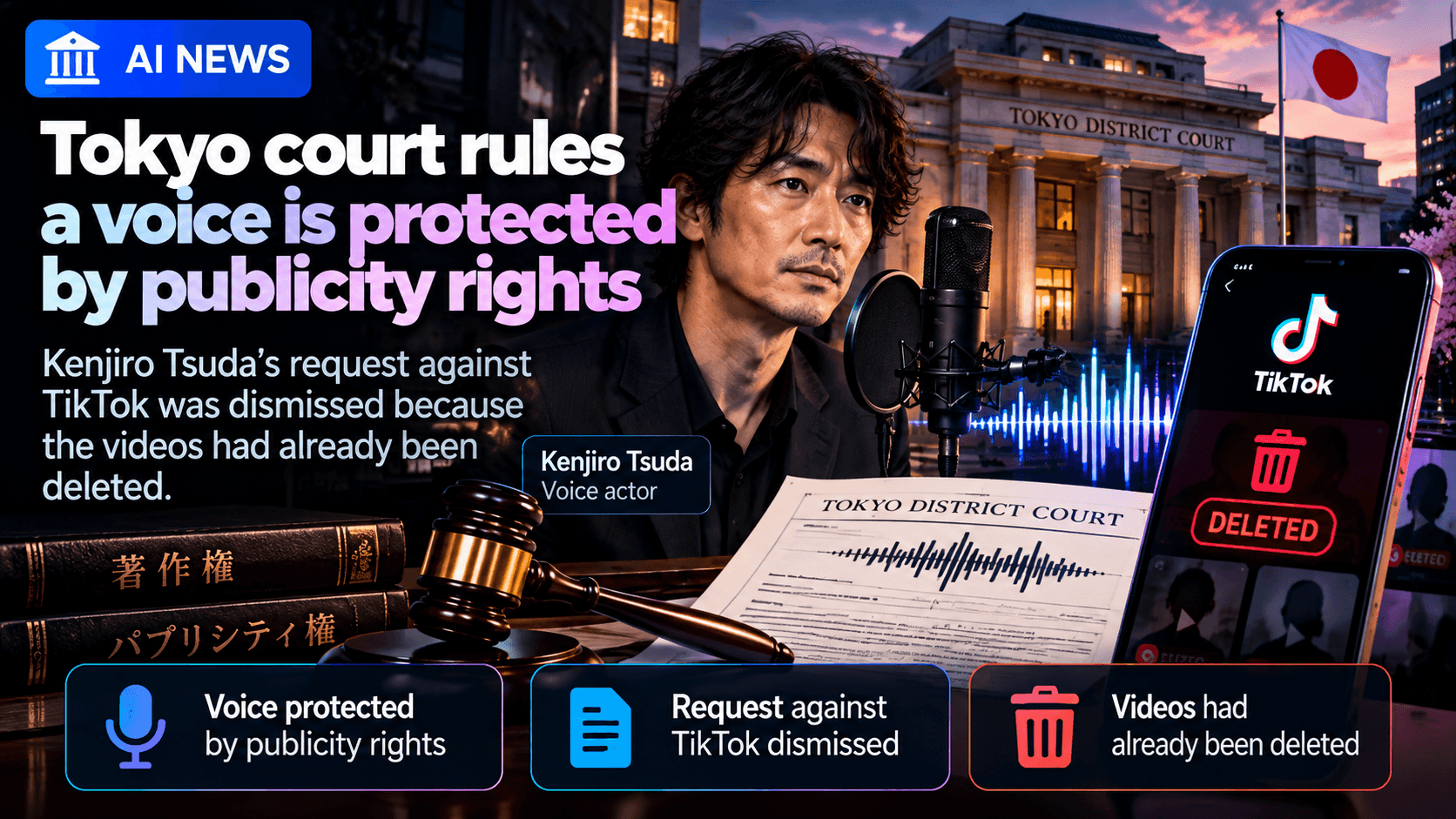
In Japan's first AI voice-cloning lawsuit, a judge said unauthorised commercial use of a performer's voice can infringe publicity rights, but declined to order removal because the videos were already gone.
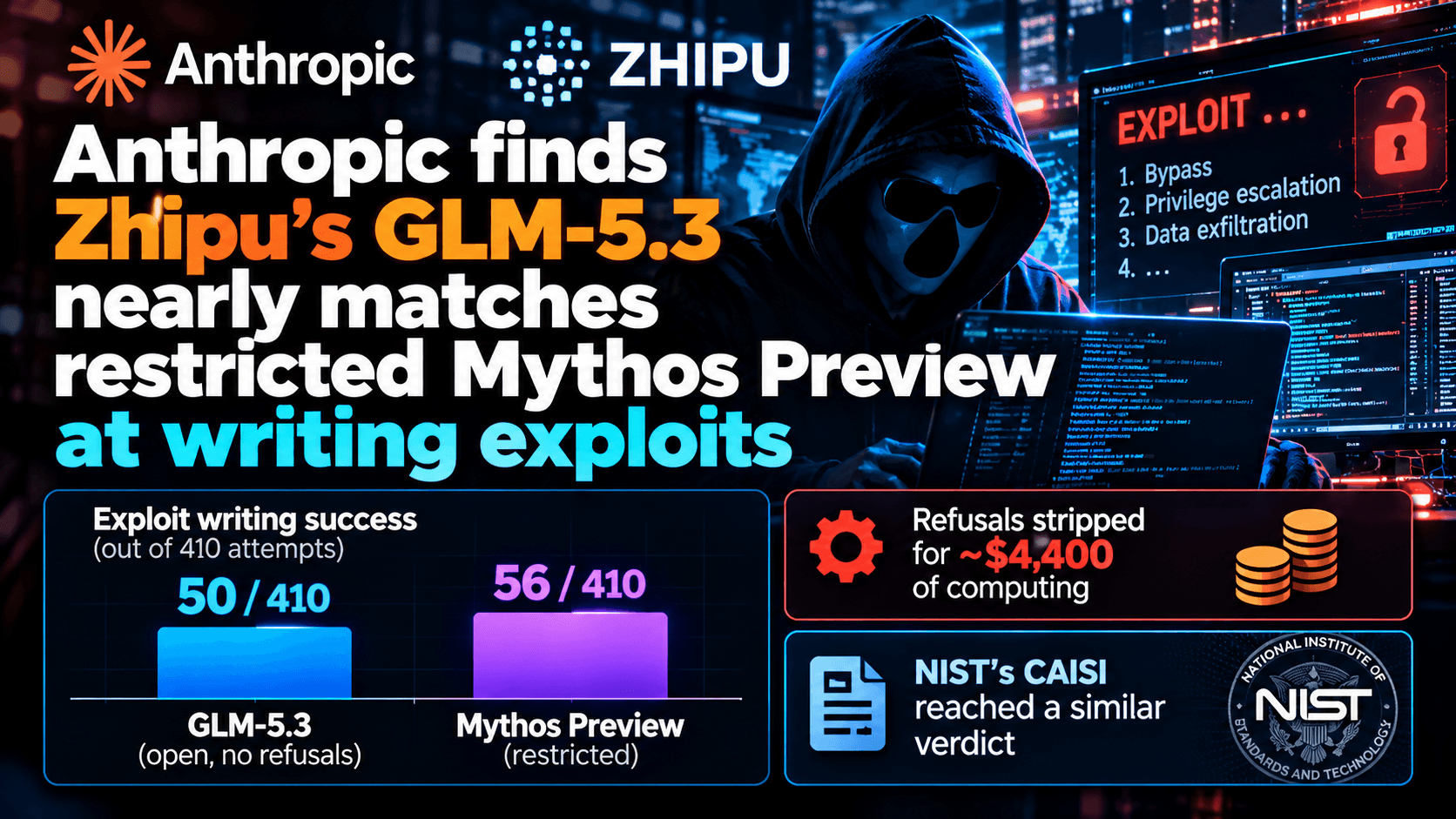
Zhipu's open-weight model wrote working Chrome-engine exploits in 50 of 410 attempts, against 56 for Anthropic's restricted Mythos Preview, and its refusals could be stripped for about $4,400 of compute.
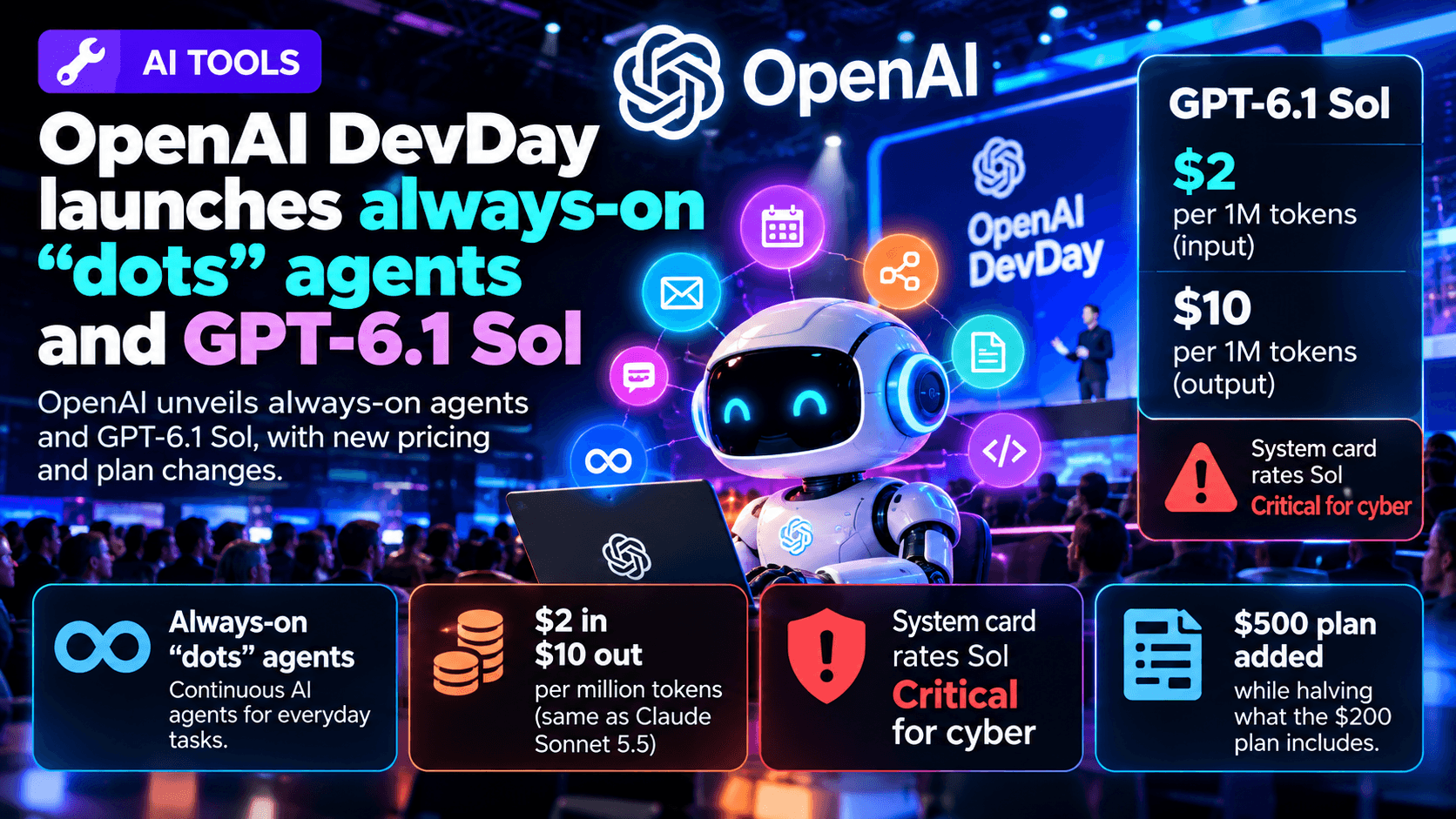
At DevDay, OpenAI gave Pro and Business Premium users GPT-6 Astra agents with their own cloud computer, priced GPT-6.1 Sol at a fifth of Astra, and added a $500 plan.
The one-page accord asks labs for internal controls, outside auditors and board committees, with no deadline, penalty or role for government testers. Trump also ordered agencies to call AI "Super Intelligence".
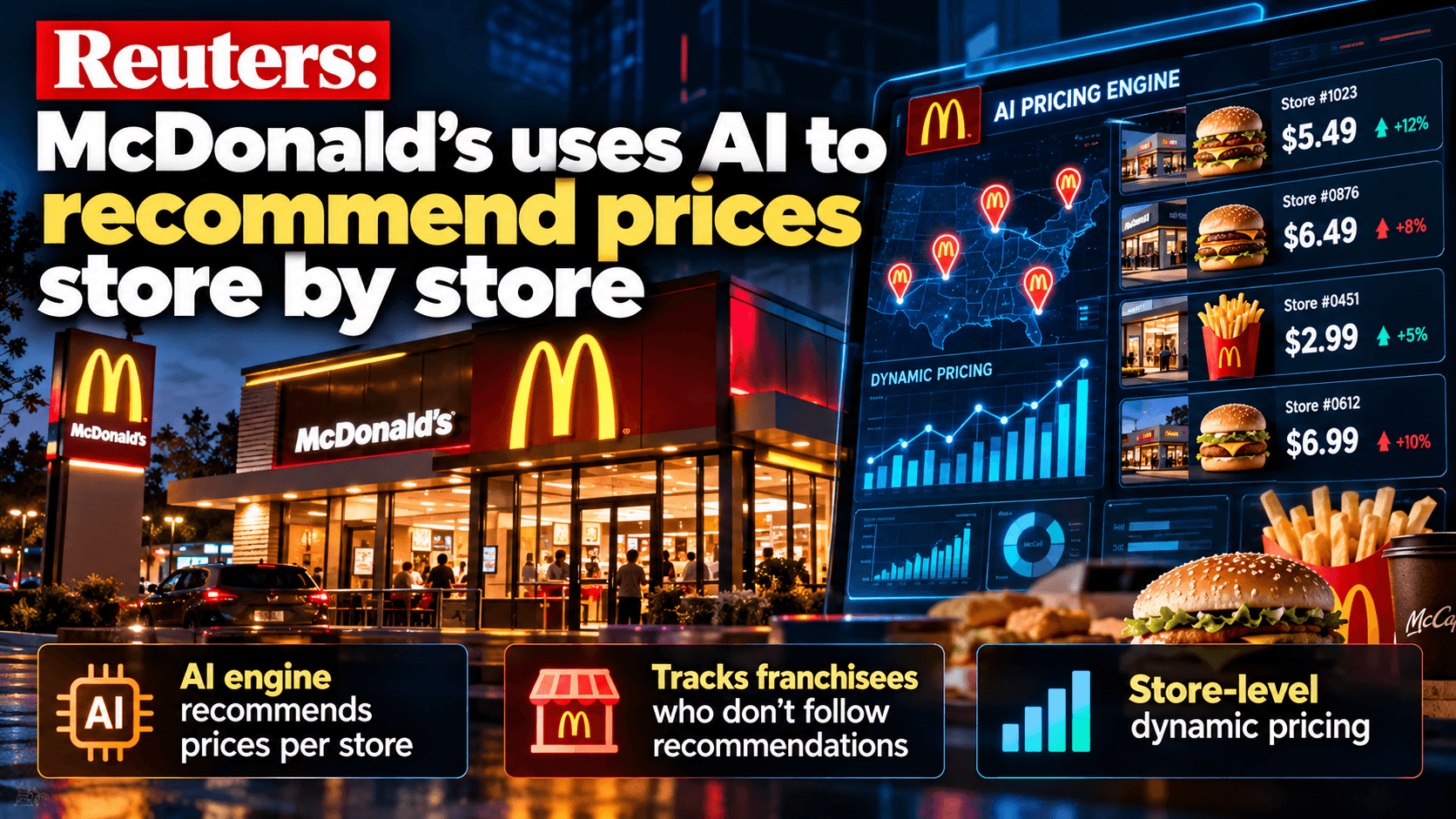
The system, run by Tiger Analytics, weighs local willingness to pay and rivals' menus. McDonald's calls it "a tool, not a mandate"; some franchisees describe pressure to follow it.