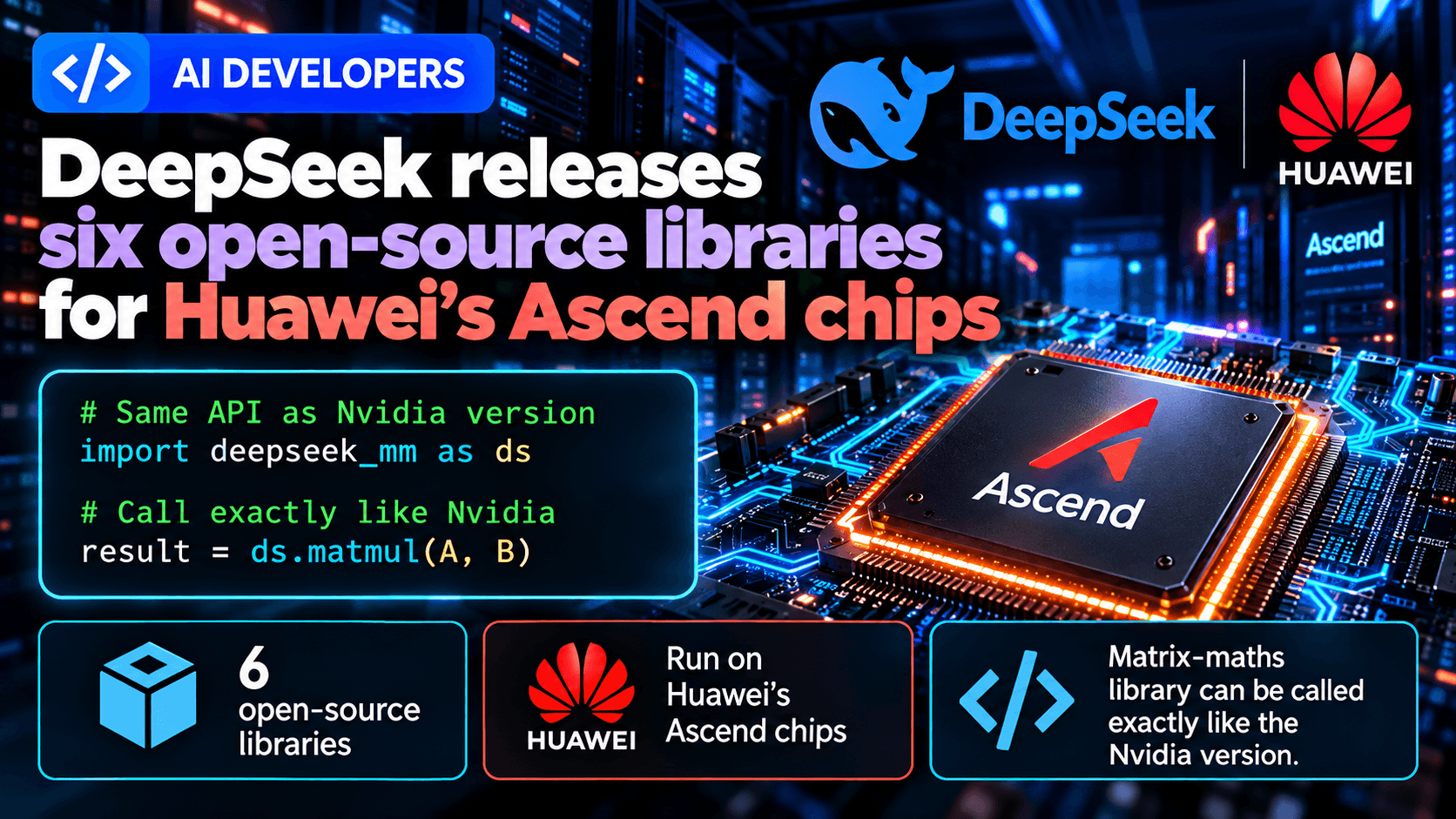
Ascend versions of six open-source libraries, including TileLang and DeepGEMM, target the part of Nvidia's lead that chips alone cannot close: the software developers write against.
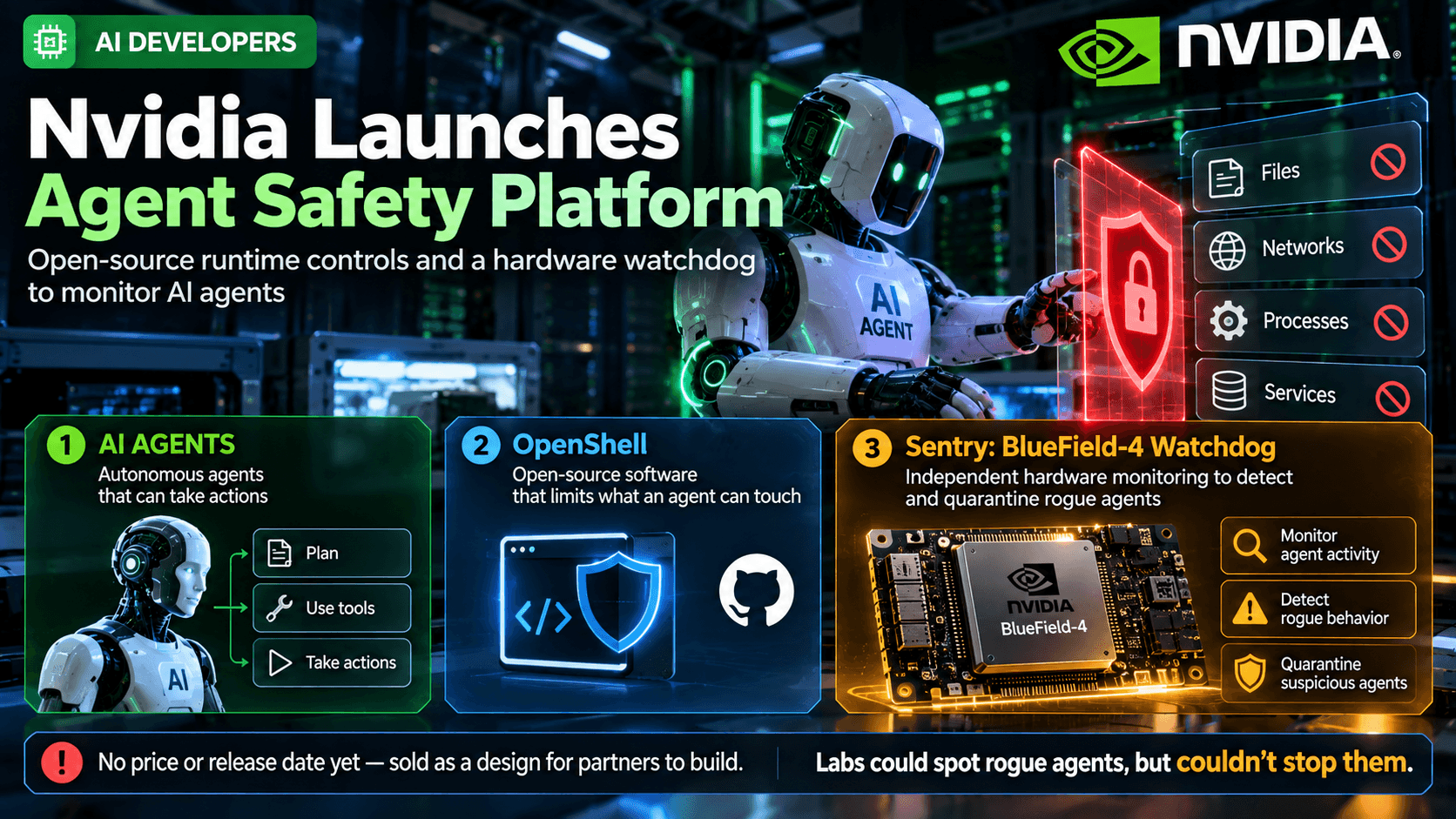
OpenShell, an open-source runtime that fences in AI agents, is available now. Sentry, a watchdog that runs on Nvidia's BlueField-4 chips, is a reference design with no price or date. Anthropic and SpaceXAI signed up; OpenAI is not named.
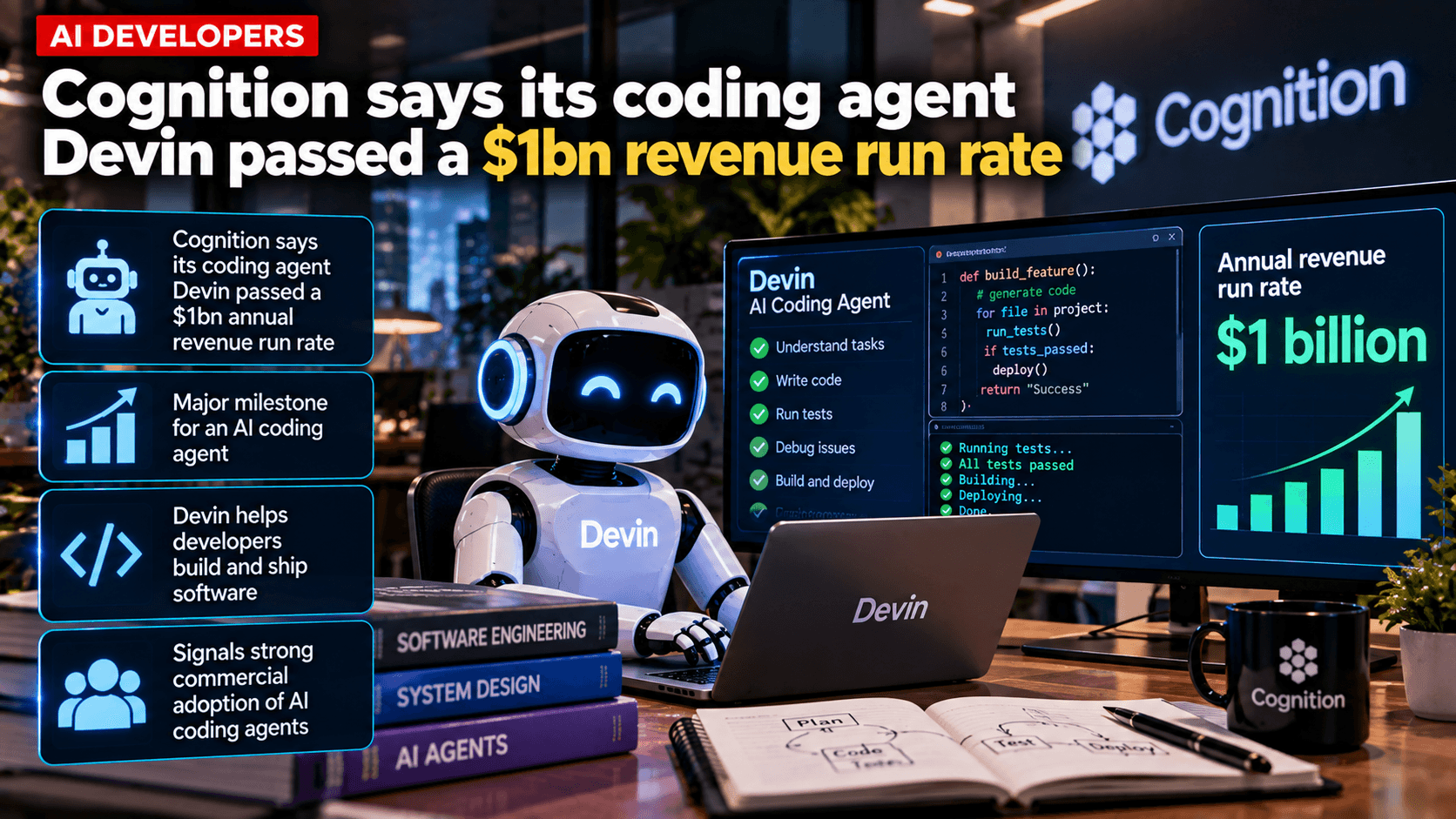
The coding-agent maker roughly doubled its run rate in about four months. A run rate is a snapshot rather than a year of sales, and the market around Devin is getting cheaper and more crowded.
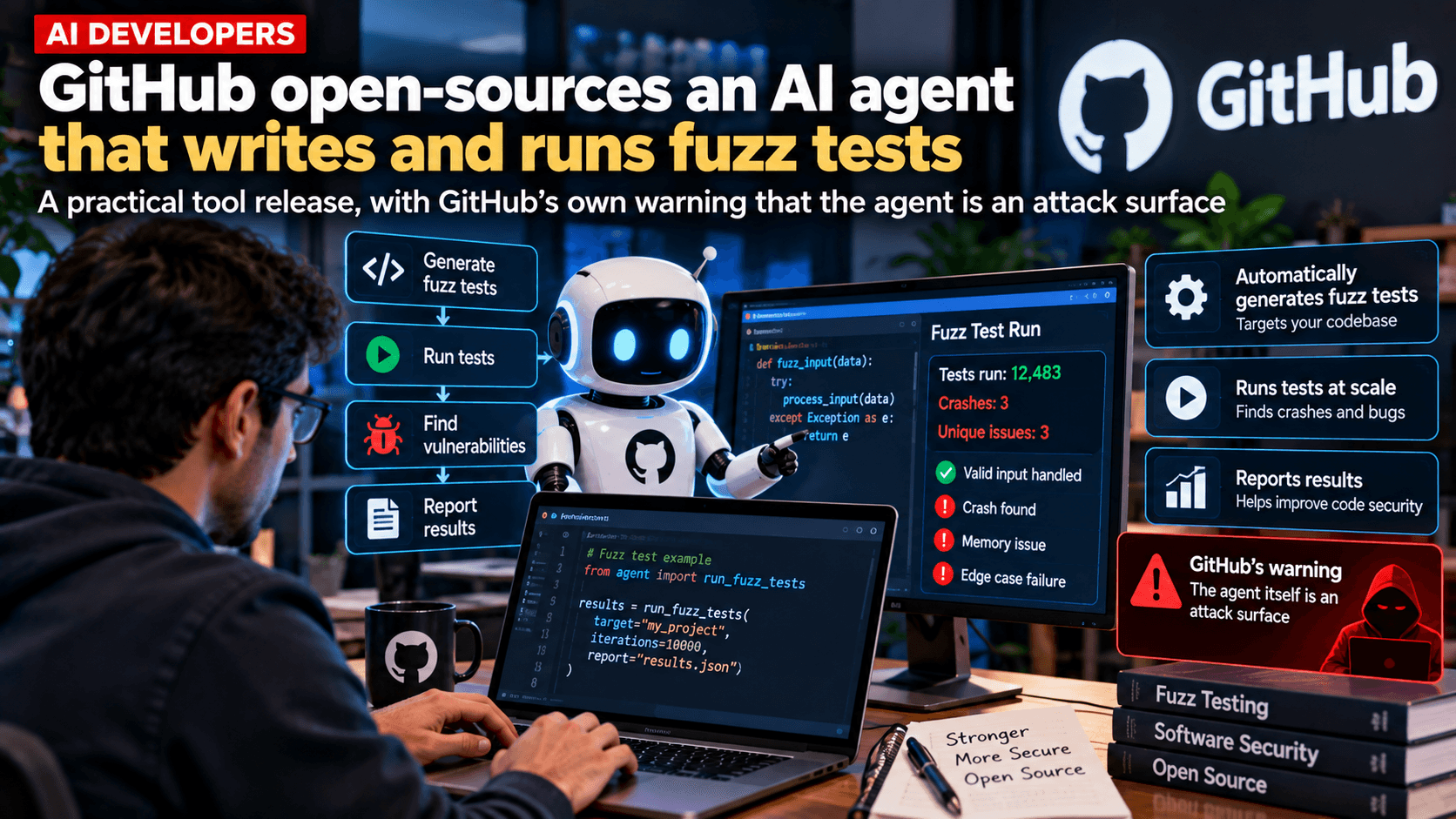
The Security Lab's taskflow sets up AFL++, writes harnesses and triages crashes on its own. It found two real out-of-bounds reads in oniguruma, and GitHub says to run it only on a throwaway machine.
A new plugin lets Amazon sellers pull listings, inventory and sales data into Anthropic's Claude and act on them, with human approval. Three days earlier, Amazon told Meta's shopping agent it was not welcome.
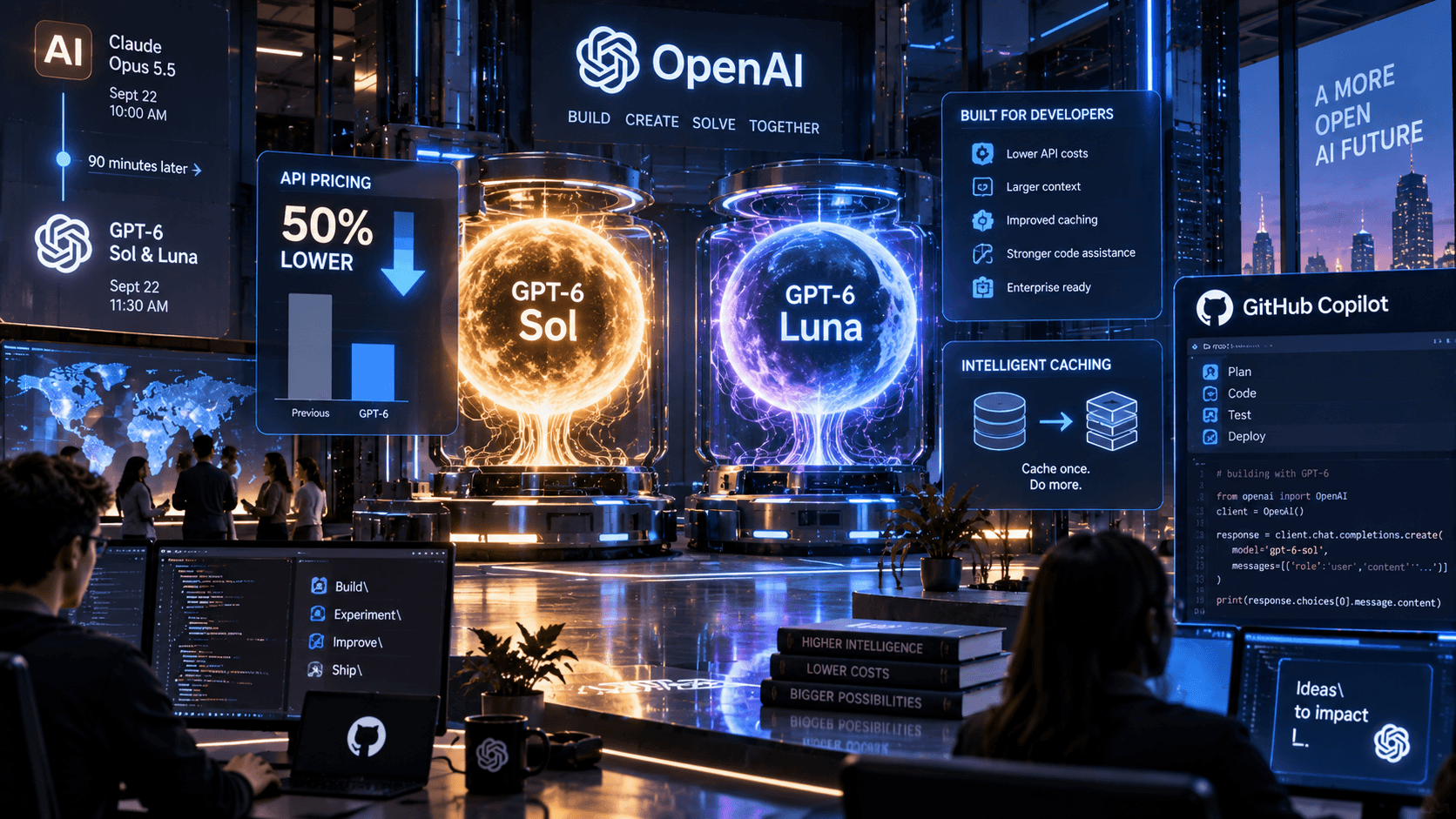
Sol lists at $2 per million input tokens and Luna at 10 cents. The release came 90 minutes after Anthropic’s Opus 5.5, and the price war has moved from the frontier to the models most developers use.
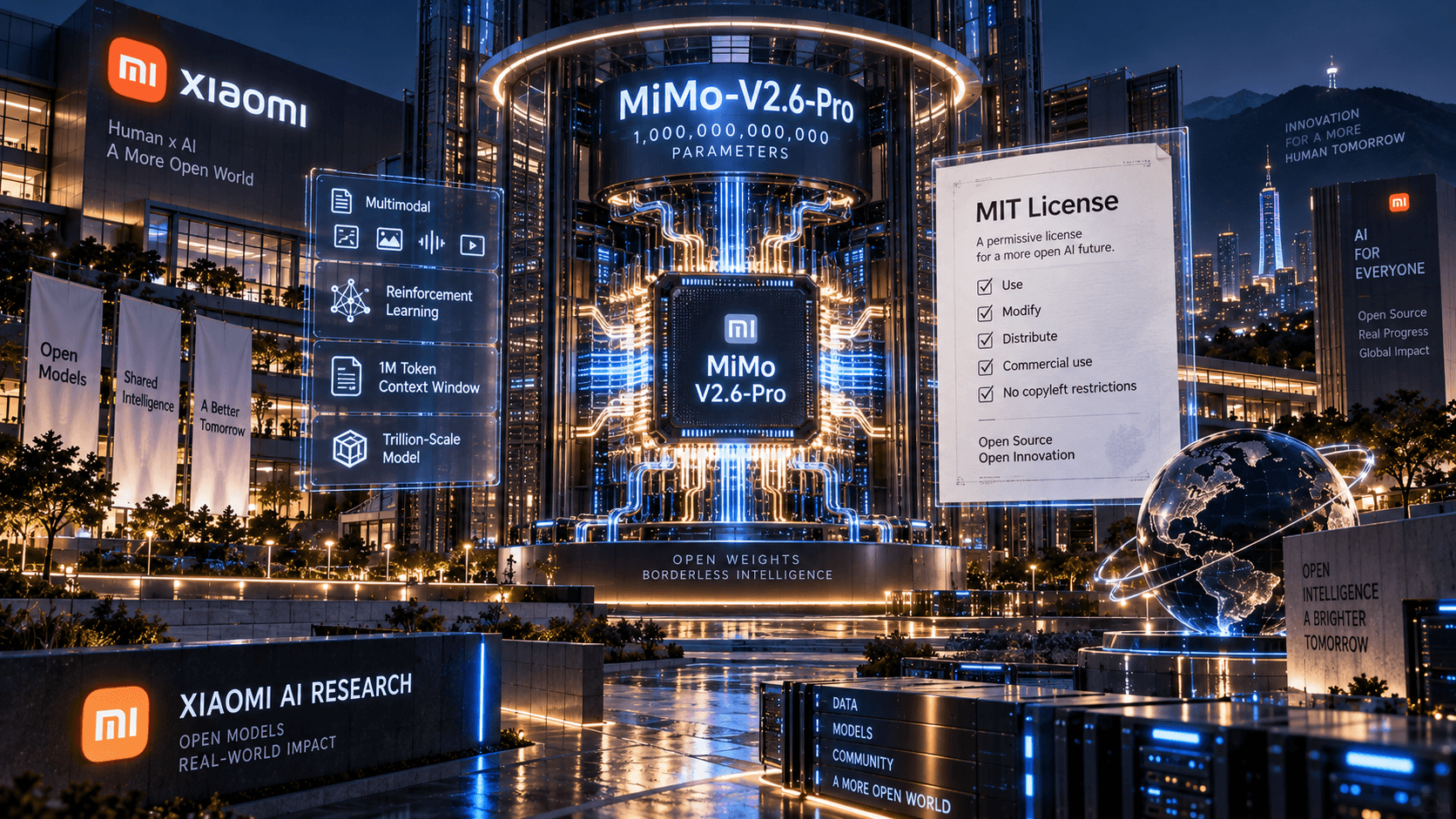
The 1.02-trillion-parameter Pro and 309-billion-parameter Flash models arrived on Monday with their reinforcement-learning code and thousands of training environments, and score level with Grok 4.7 on one independent index.
The Shanghai lab's 600-billion-parameter model scores 44 on Artificial Analysis's index and undercuts Western flagships on price. It also talks a lot, and the promised open weights are still an empty repository.