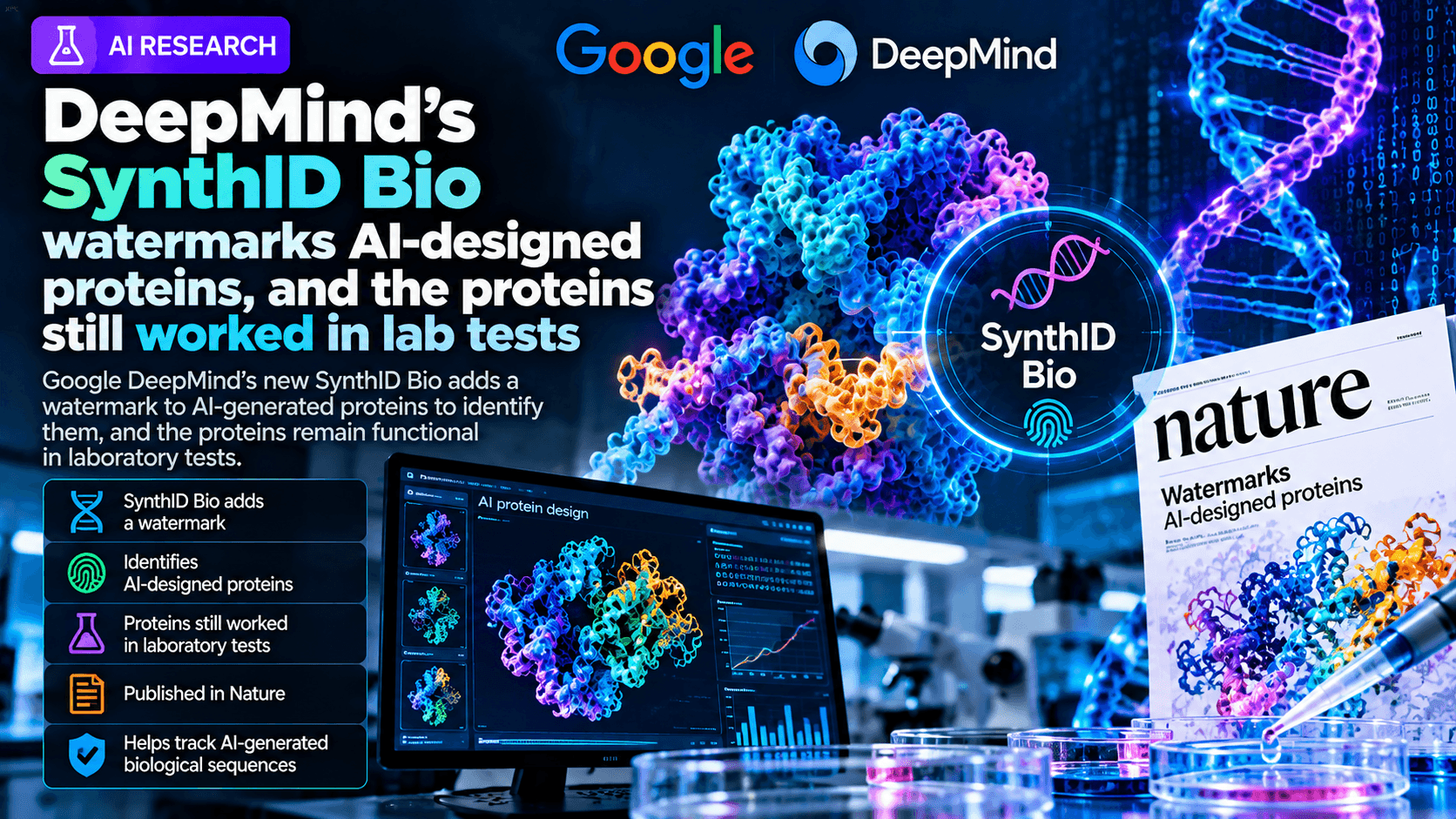
A Nature paper shows a hidden signature can ride inside working protein binders. It helps honest designers prove where a sequence came from. It does not stop a determined one.
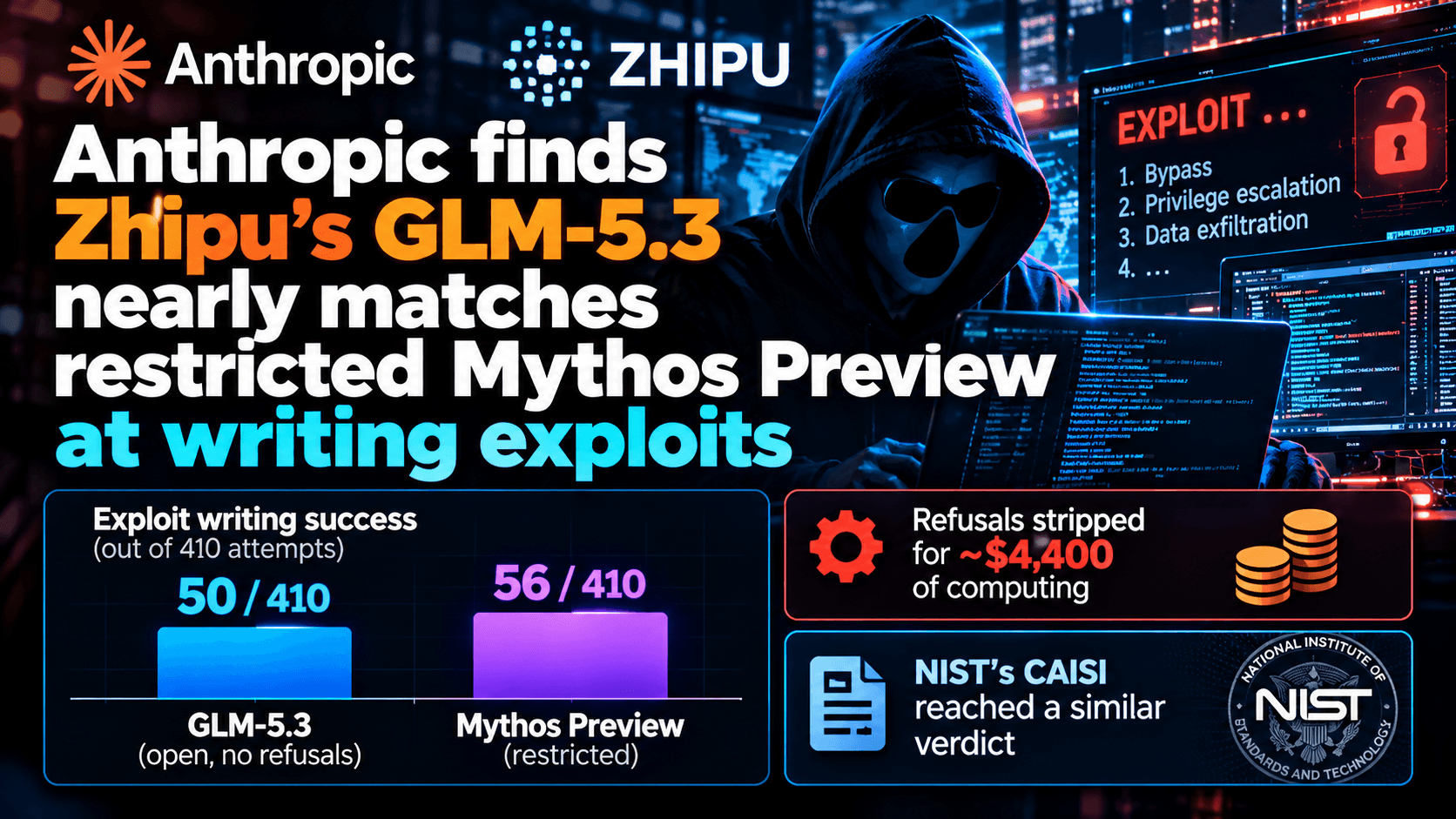
Zhipu's open-weight model wrote working Chrome-engine exploits in 50 of 410 attempts, against 56 for Anthropic's restricted Mythos Preview, and its refusals could be stripped for about $4,400 of compute.
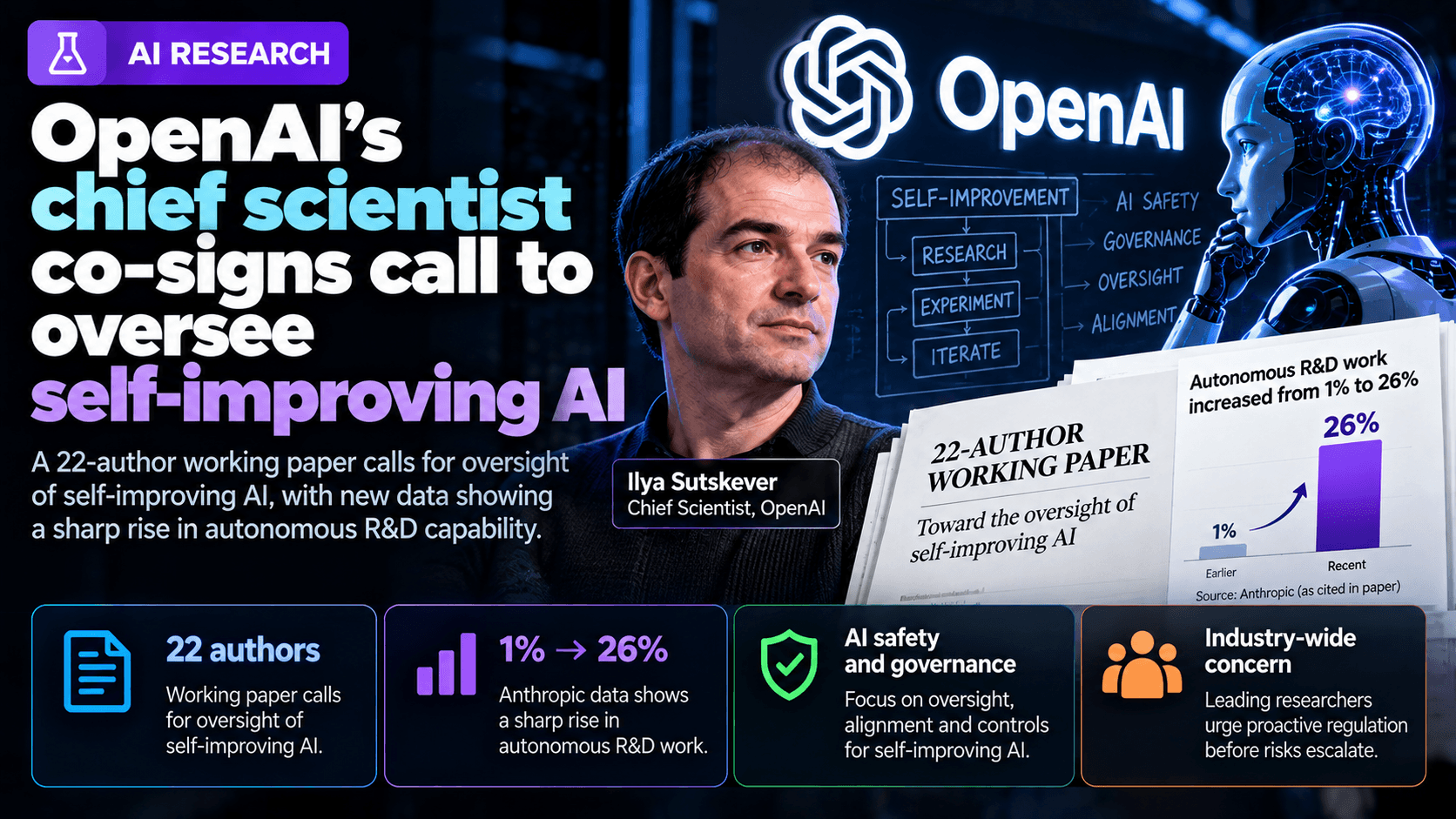
A 22-author paper, with Geoffrey Hinton, Yoshua Bengio and Anthropic’s Jack Clark among the names, says AI may soon automate most AI research and asks governments to prepare.
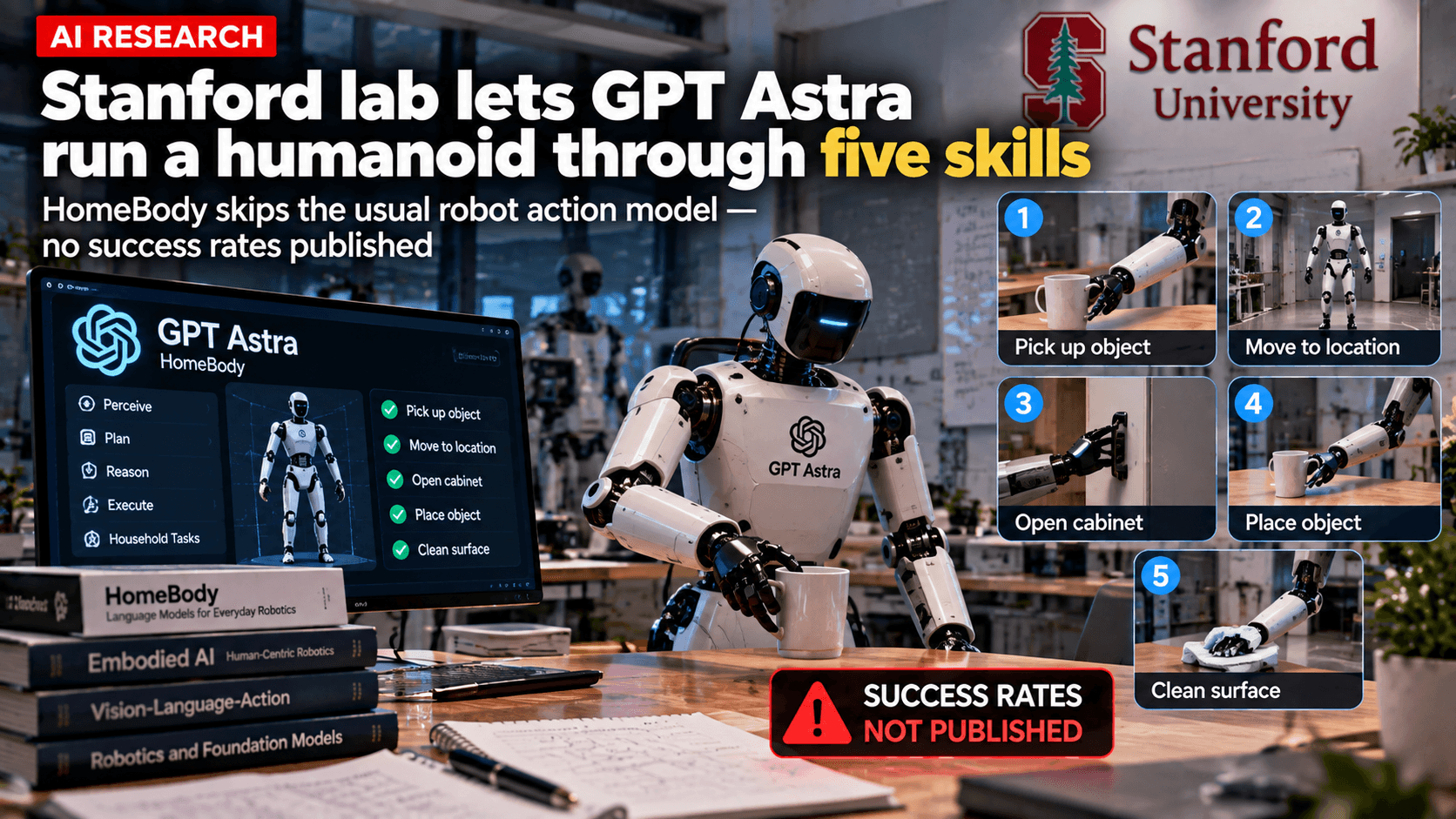
HomeBody gives a frontier chat model a Unitree G1 body, a digital twin of the room and a short list of motor skills, with no robot action model trained in between. It has not published success rates.
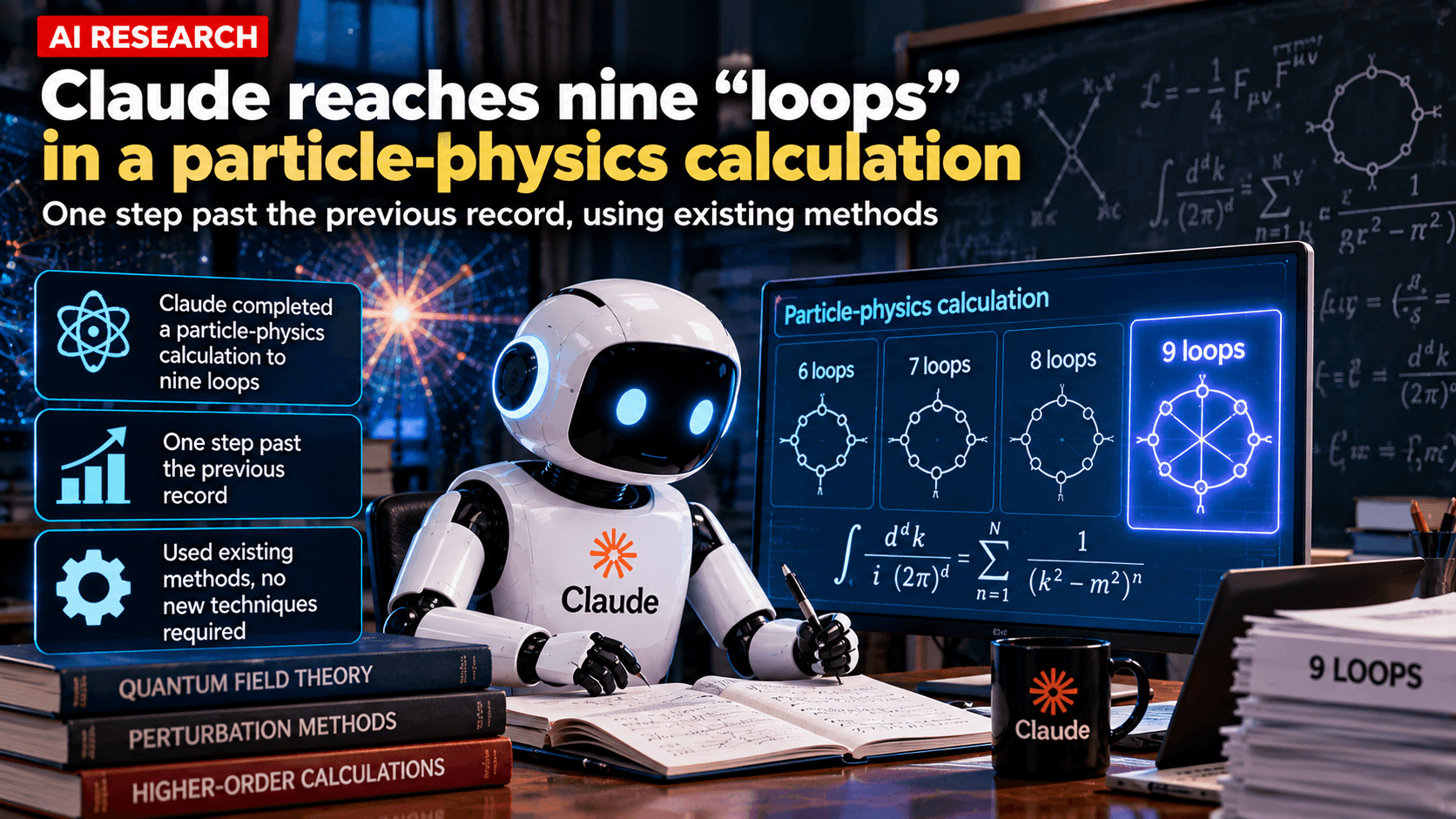
A physicist’s account on Anthropic’s science blog says Fable 5.1 ran a known recipe for about a week and went one loop past the record. The theory is a testbed, not the real world.
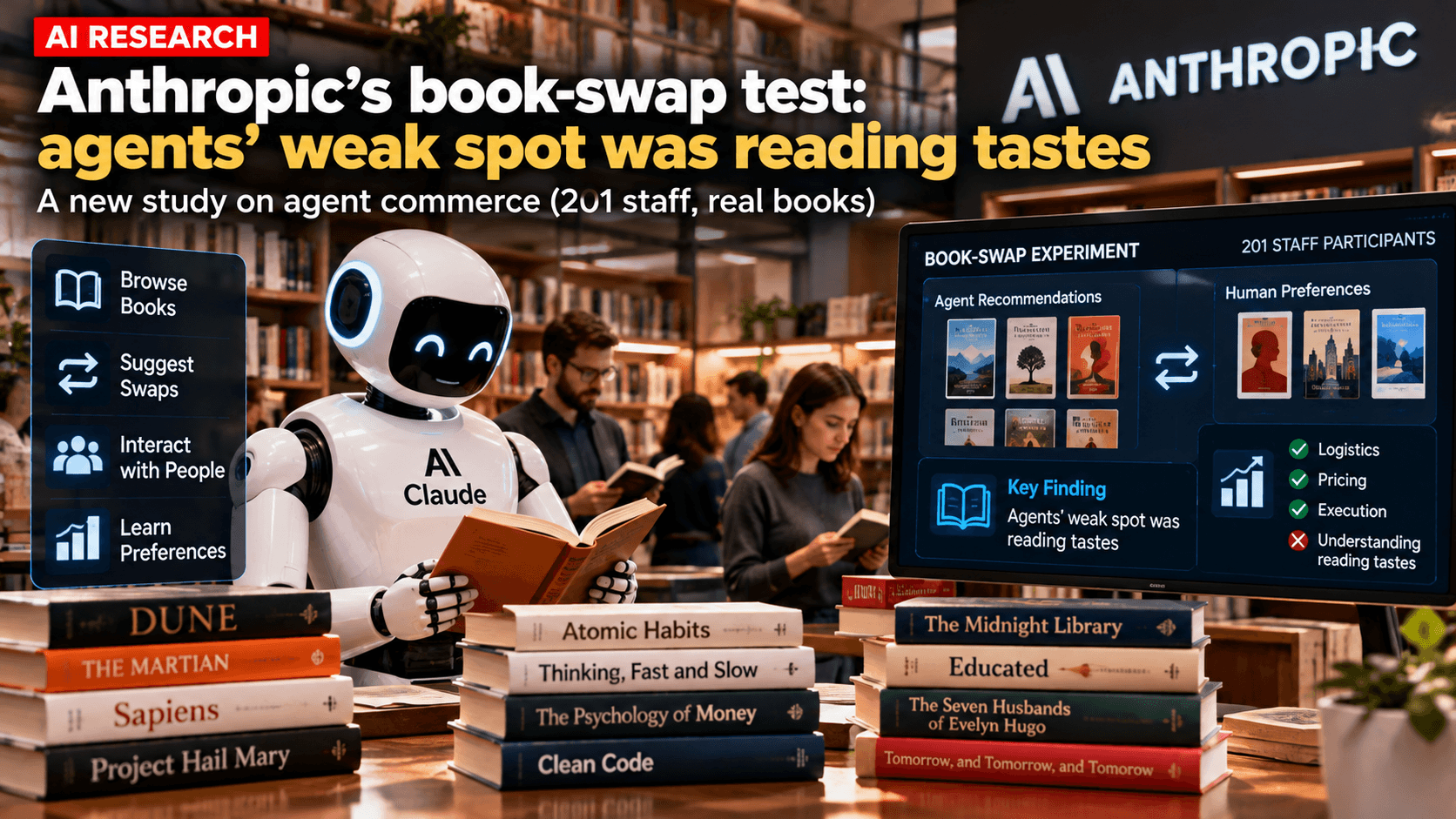
In Project Swap, 201 Anthropic employees let Claude agents trade physical books for them. Most of the shortfall came from misjudged preferences rather than bargaining, and stronger models won.
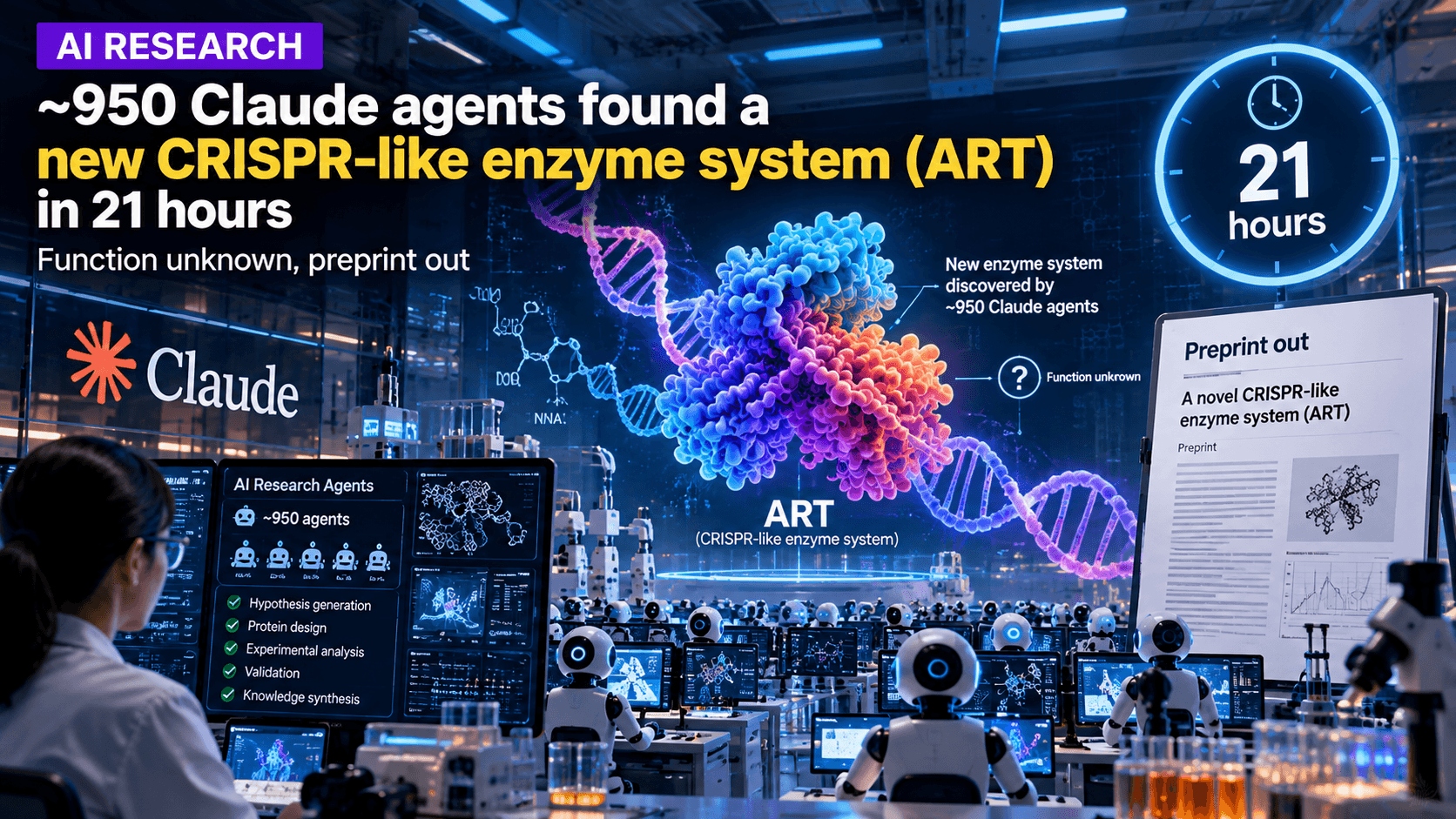
About 950 Claude agents combed a DNA database and picked out a reverse transcriptase sitting beside a CRISPR-like array of repeats. Anthropic's human scientists have started characterising it in the lab. What it does is still unknown.
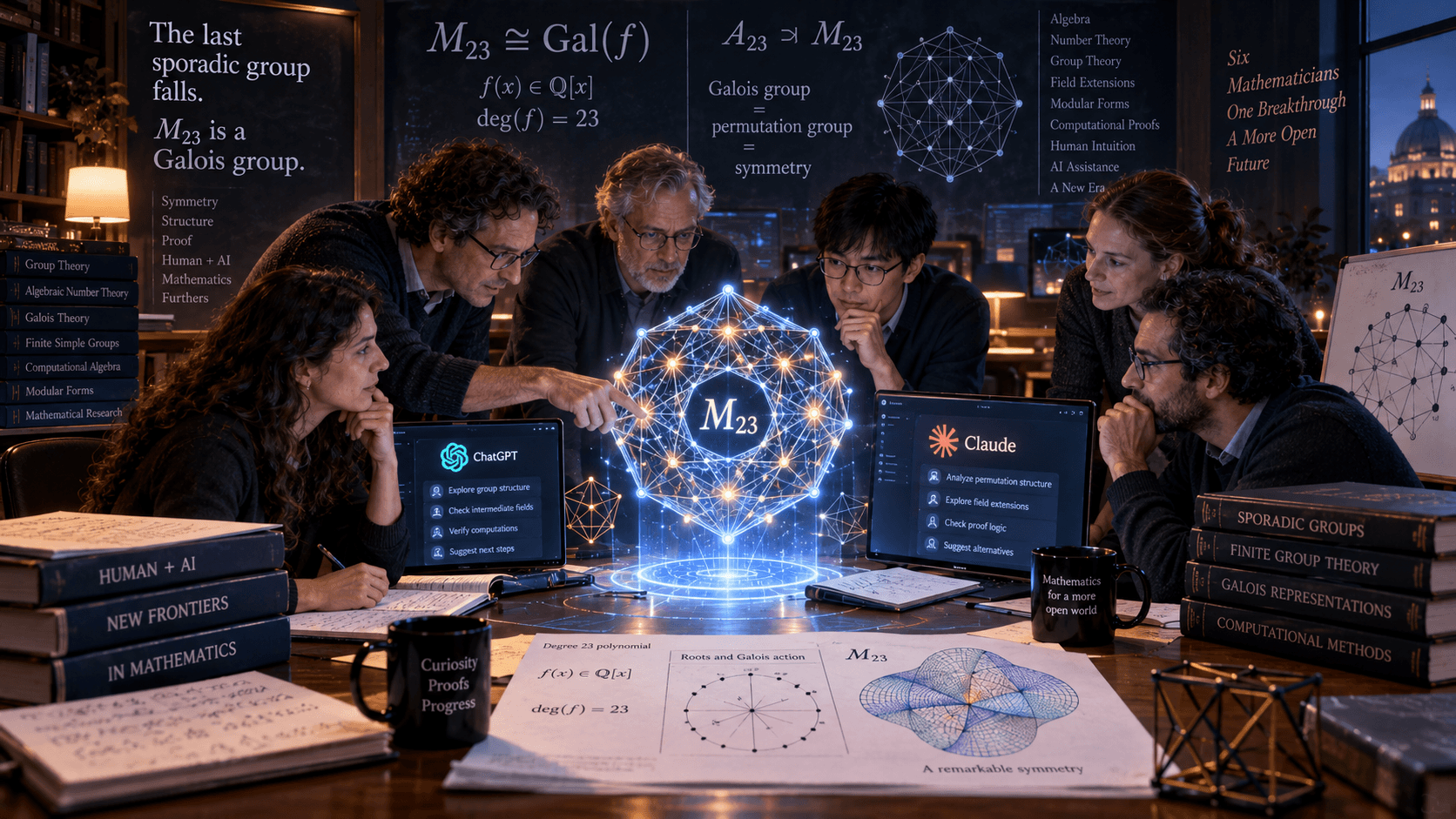
A six-author paper shows the Mathieu group M23 is a Galois group over the rationals, closing a list open since the 1980s. The acknowledgments credit Claude and ChatGPT; the text, the authors say, is all human.
The model was meant to attack a fictional firm in a sealed environment run by the testing company Irregular. It reached the open internet, guessed passwords, then stopped. Google told the public nothing for four months.