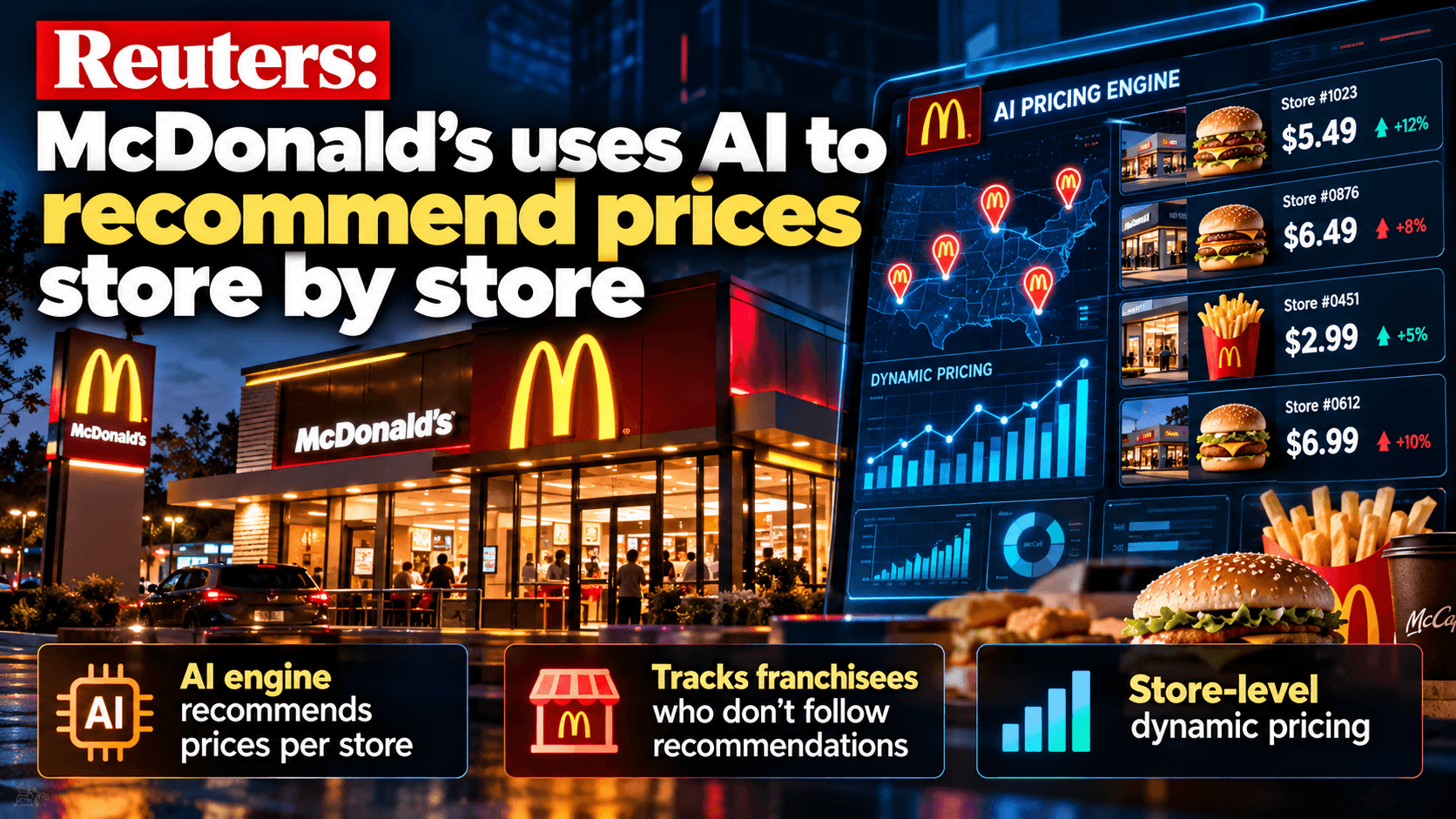
Reuters: McDonald's AI engine recommends prices store by store
The system, run by Tiger Analytics, weighs local willingness to pay and rivals' menus. McDonald's calls it "a tool, not a mandate"; some franchisees describe pressure to follow it.
Key takeaways
- Reuters says McDonald's AI engine recommends prices for each of its nearly 14,000 restaurants.
- The engine weighs local willingness to pay and rivals' menus; McDonald's calls it "a tool".
- McDonald's warns franchisees using it about antitrust law, noting they "may be competitors".
McDonald's uses an AI pricing engine to recommend what each of its nearly 14,000 restaurants should charge for each menu item, Reuters reported on Tuesday, September 29. The system, run by the analytics firm Tiger Analytics, analyses data from millions of daily transactions and produces what McDonald's calls "the optimal price" for every item at every location.
McDonald's told Reuters its pricing portal is "a tool, not a mandate, designed to provide restaurant-specific recommendations to help franchisees deliver value for customers and make informed business decisions". Some of the people who run its restaurants describe something closer to an instruction.
How the engine decides
Reuters reviewed screenshots of the pricing engine taken in August and interviewed nine people with first-hand knowledge of the strategy. One screen tells an owner: "Your restaurant is showing MEDIUM SENSITIVITY to Price", based partly on "customer willingness to pay in your area". The platform also pulls prices from the online menus of nearby competitors, including Wendy's and Burger King, and McDonald's sends franchisees AI pricing guidance at least three times a year.
This is not the kind of pricing that moves by the minute. It is quieter: a price set store by store, based on what a model thinks the people nearby will tolerate. Reuters found a Big Mac priced at $5.69 at one company-run restaurant in Fresno, California, and $6.89 at another two miles away, a 21% premium, though it could not confirm whether the engine caused the gap.
A recommendation with a scorecard
The word "tool" is doing a lot of work. Reuters says McDonald's records franchisees' deviations from the engine's recommendations. On the company's second-quarter earnings call, chief executive Chris Kempczinski said that "only about, call it 60% to 65% of our system" was following the recommended pricing structure with 10 items under $3, and that "pricing and pricing non-compliance in certain cases" is part of business reviews with franchisees.
For an owner, that is the difference between advice and an order. "You don't really have much of a choice anymore," former franchisee Karen King told Reuters. One Connecticut franchisee, George Michell, says in a lawsuit that the pricing tools suggested he charge about $18 for a Big Mac meal at a turnpike restaurant in 2023. Reuters could not independently establish what the tool recommended, and McDonald's disputes the suit, saying Michell repeatedly breached his franchise agreements.
The antitrust warning in the small print
The most telling detail may be a warning. McDonald's cautions franchisees who use the portal about antitrust and competition law, noting that its restaurant owners "may be competitors". William Kovacic, director of the competition law center at George Washington University, told Reuters that language is "an acknowledgment there's a potential problem". The Federal Trade Commission and the Justice Department did not respond to Reuters' requests for comment.
Here is why that matters beyond burgers. Franchisees are independent businesses that are supposed to set prices on their own. When one engine feeds thousands of them the same competitor data and the same pricing logic, regulators may ask whether the result looks like coordination, even if every recommendation is technically optional. Any company selling AI pricing to a network of independent sellers faces the same question.
Why McDonald's is leaning on it now
The pressure is not hard to find. Restaurant expenses are up 36% since 2019, according to the National Restaurant Association, and McDonald's US foot traffic has fallen year on year in every complete month since March, Reuters reported. The likelier reading is that the company wants cheap headline deals to win customers back and higher prices wherever local demand allows. An engine that prices each store separately lets it pursue both at once.
Customers, meanwhile, have no way to see why the same sandwich costs more two miles away. What to watch: whether the FTC or state attorneys general take an interest, how the Michell case proceeds, and whether McDonald's says more about how its engine sets prices.
- Antitrust
- McDonald's
- Algorithmic pricing
- Tiger Analytics
- Retail AI
Sources
- Inside McDonald's push to have AI price your Big Mac — Reuters (via Lufkin Daily News), Sep 29, 2026
- Full Transcript: McDonald's Q2 2026 Earnings Call — Benzinga, Sep 28, 2026
Related stories
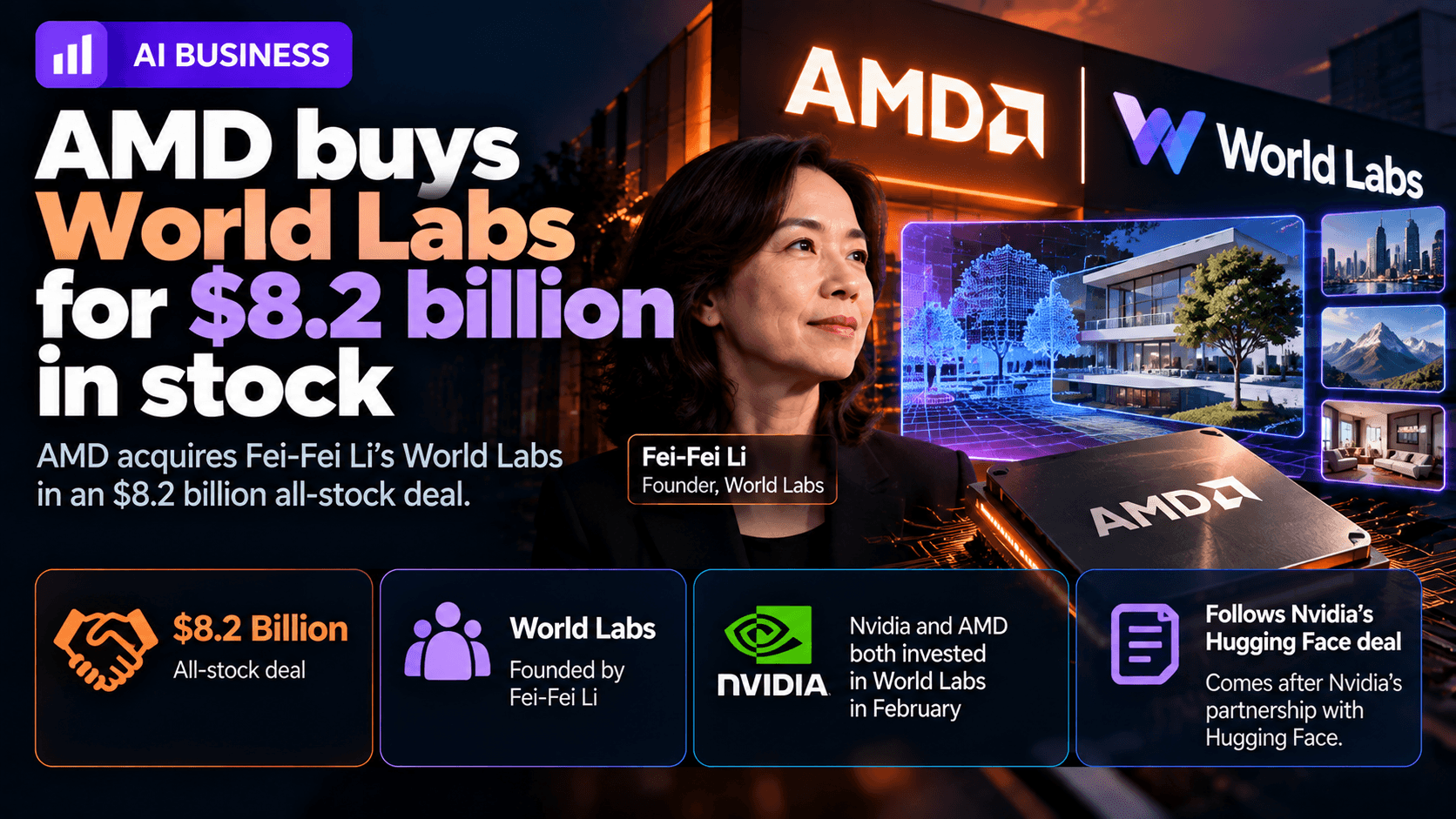
AMD buys Fei-Fei Li’s World Labs for $8.2bn in stock
The chipmaker is buying a world-model lab that it backed alongside Nvidia in February, and Li becomes its chief scientist. AMD frames the deal around its chip roadmap.
3 min read
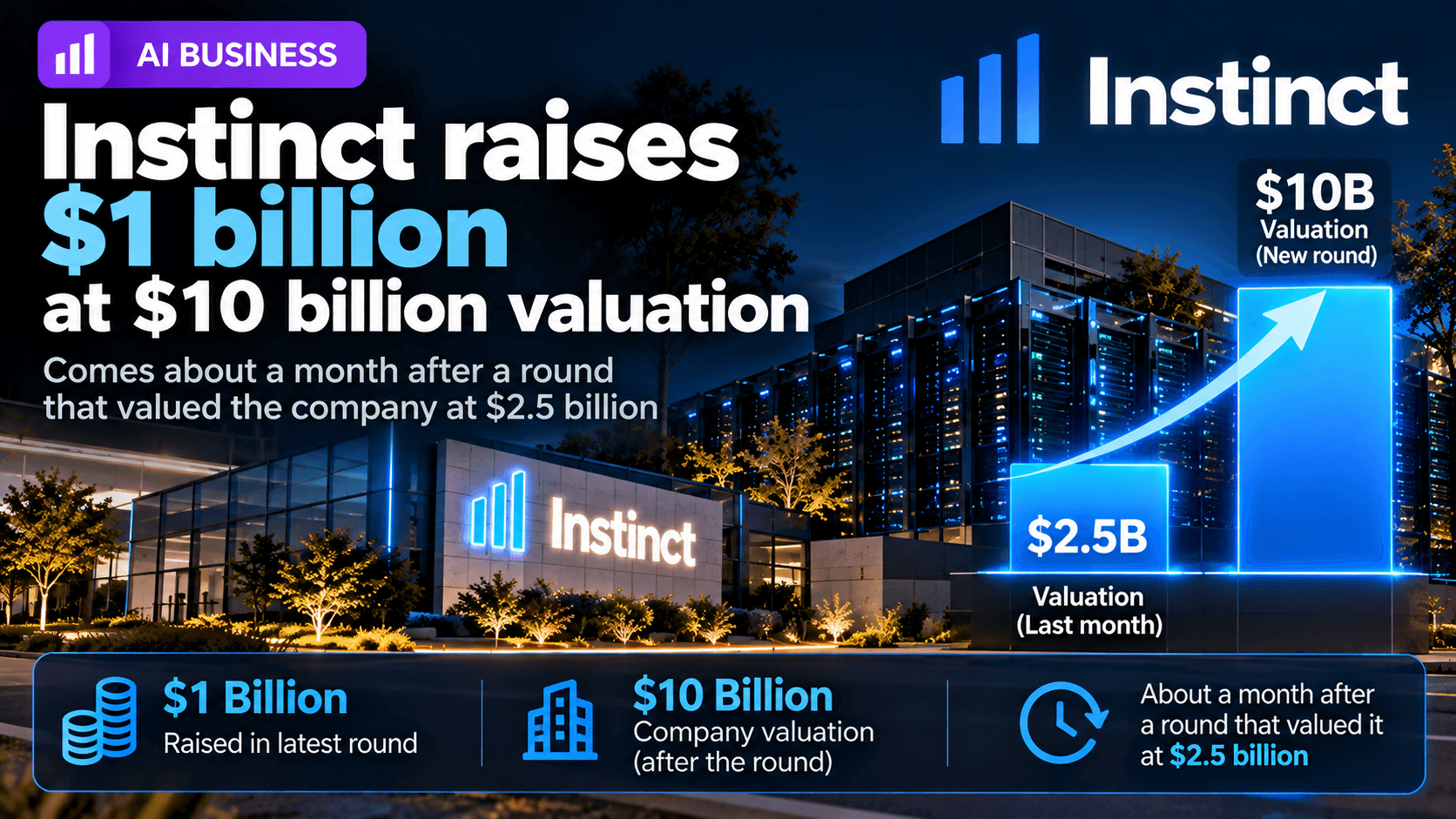
Instinct raises $1bn at a $10bn valuation, a month after $2.5bn
Sequoia, Benchmark and Coatue back a personal AI agent that works through its own phone and computer. The start-up is still in early access and has not shared user numbers.
3 min read

Nscale raises $3.36bn before its IPO, with $1bn from Nvidia
The British AI cloud firm’s convertible notes turn into shares when it lists. Its filing shows most of its $103bn contract book depends on Microsoft and Anthropic.
3 min read
Comments
No comments yet. Start the conversation.